
 Philippines
 Vietnam
 Bali, Indonesia
 Malaysia
 Dubai, UAE
 India
India
Great SEO runs on great data, but data you cannot see clearly is data you cannot act on. The tools below are the ones we reach for when a client needs rankings, traffic, technical health, and AI visibility turned into something readable, whether that is a live dashboard, a visual crawl map, or a monthly report a non-technical stakeholder can understand at a glance.
Here are the 7 best AI SEO tools for visualization and reporting in 2026, with real screenshots of each. For the code-first alternative to these paid platforms, see our guide to the best Python libraries and tools for SEO and AEO.
The 7 tools at a glance
| # | Tool | Strongest at | Best for |
|---|---|---|---|
| 1 | Semrush | All-in-one data and AI visibility | Full-stack SEO teams |
| 2 | Ahrefs | Backlink and keyword visualization | Research and analysis |
| 3 | Surfer SEO | AI content optimization | Writers and content teams |
| 4 | Sitebulb | Visual technical audits | Technical SEO |
| 5 | SE Ranking | White-label reporting | Agencies on a budget |
| 6 | AgencyAnalytics | Client dashboards | Agencies and freelancers |
| 7 | Databox | Cross-source KPI dashboards | Marketing leaders |
1. Semrush — the all-in-one dashboard
Semrush is the closest thing to a complete SEO cockpit. Its dashboards visualize rankings, traffic, competitive position, and, increasingly, AI visibility, tracking how often your brand appears in AI search and Overviews. If you want one platform that does research, tracking, and reporting, this is it.
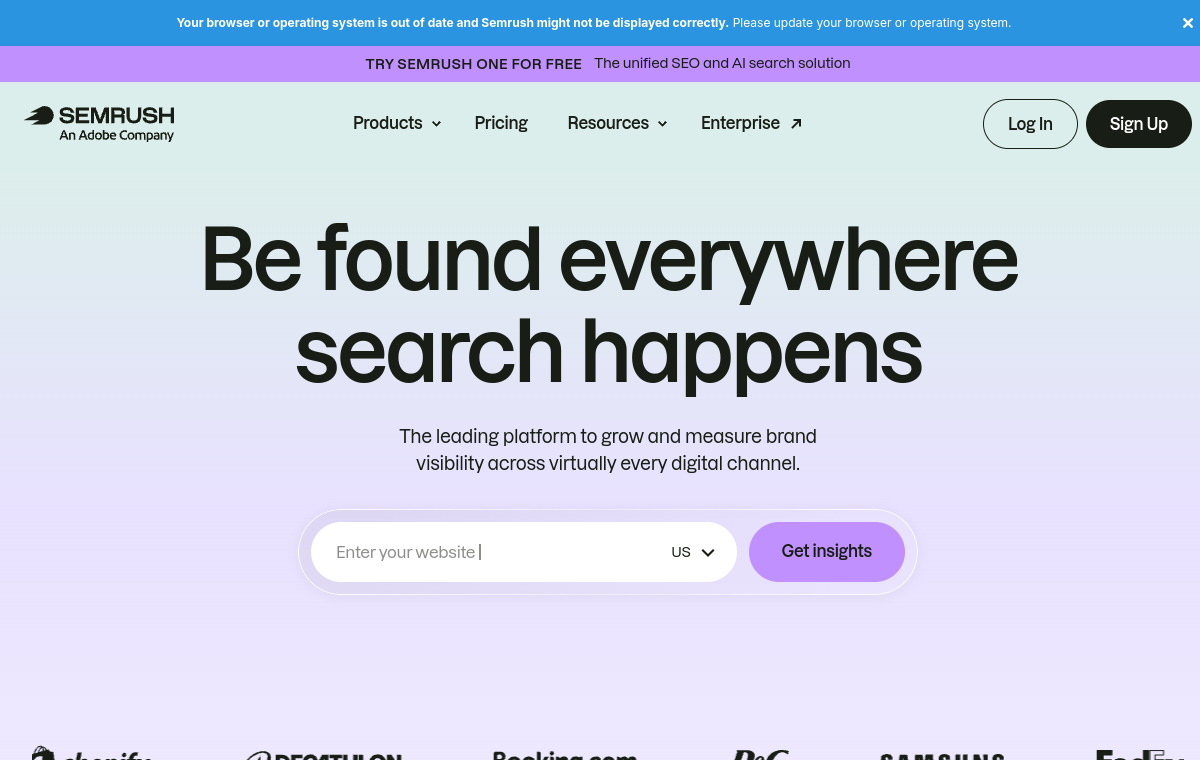
Best for: teams that want everything in one place. AI edge: AI visibility and mention tracking across answer engines.
2. Ahrefs — the clearest data visualization
Ahrefs is beloved for how cleanly it presents complex data. Its backlink graphs, keyword charts, and site-health scores make it easy to spot trends and outliers without exporting anything. For research and diagnosis, its visualization is second to none.
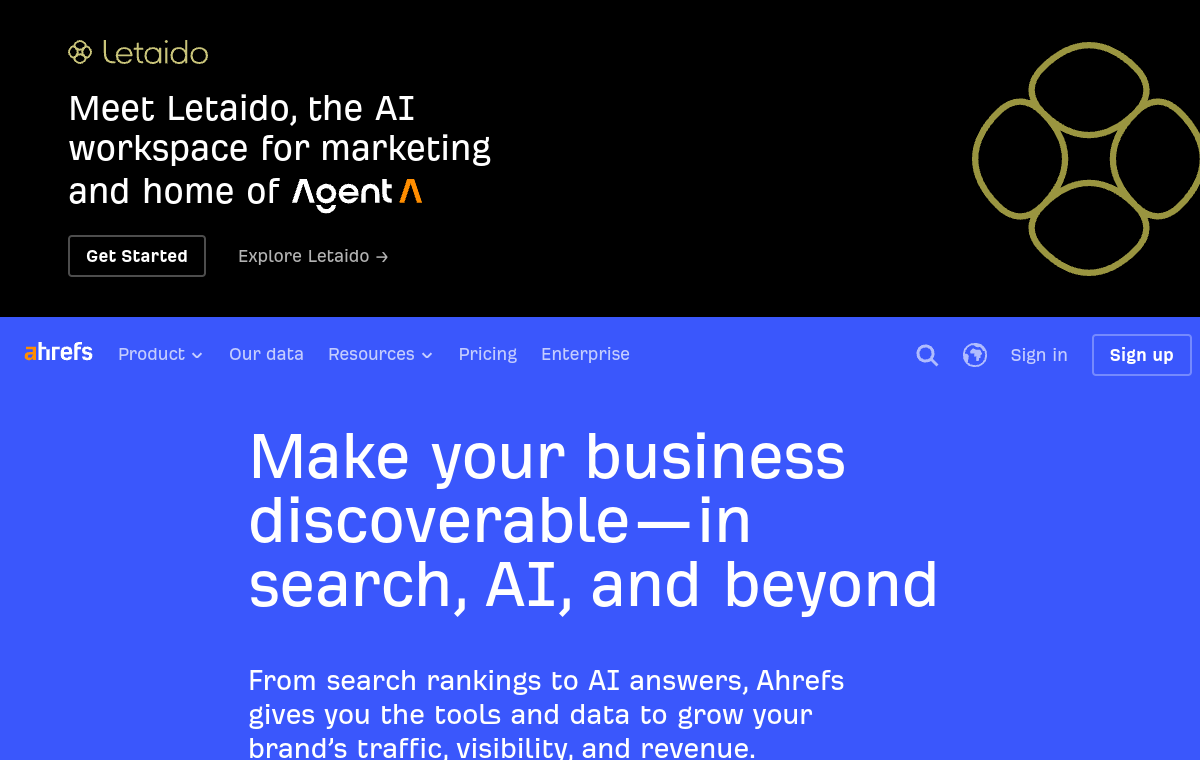
Best for: deep research and link analysis. AI edge: AI-assisted content and keyword tooling layered on top of the best data in the category.
3. Surfer SEO — AI content, visualized
Surfer turns on-page optimization into a visual, real-time score. Its content editor shows exactly which terms and structure to add as you write, and its newer features push toward AEO, optimizing so you become the answer in AI search. For content teams, the feedback loop is the whole value.
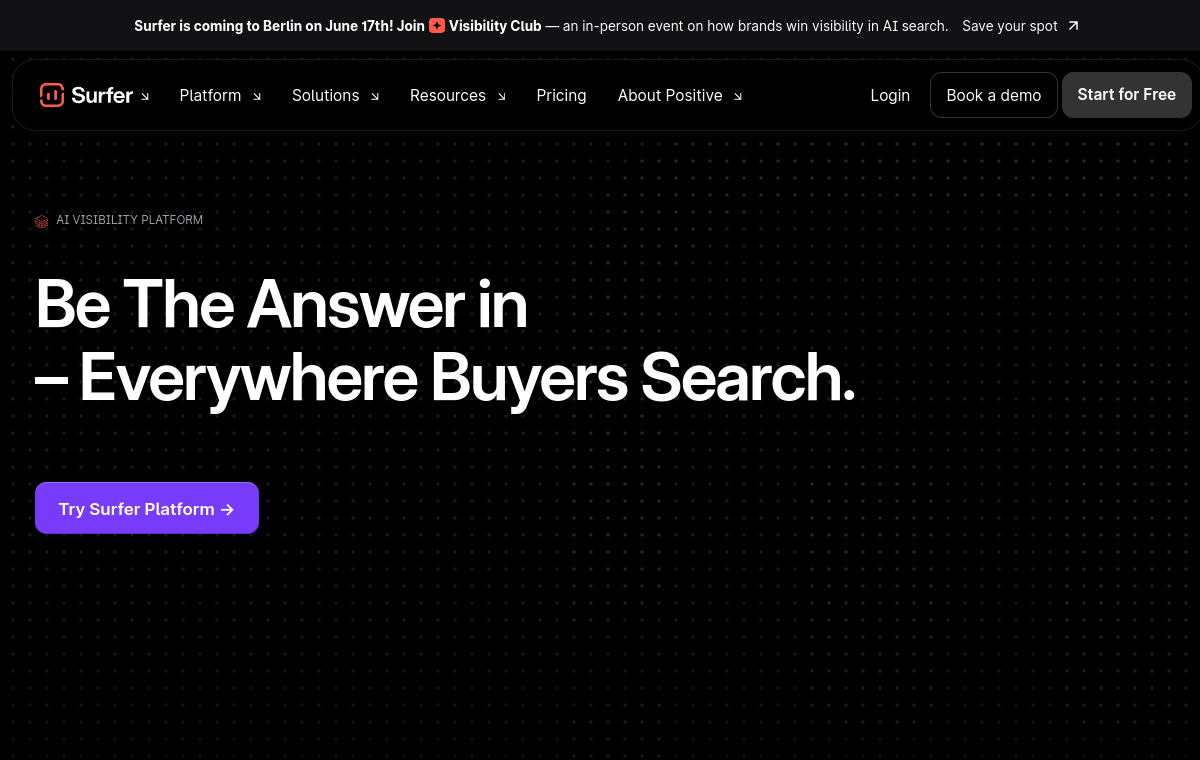
Best for: writers and content-led teams. AI edge: AI content optimization and answer-engine visibility.
4. Sitebulb — the best crawl visualization
Technical audits are usually a wall of rows. Sitebulb is different: it renders your site as visual crawl maps, prioritized hint lists, and diagrams that make architecture and crawl problems obvious. It is the tool we recommend when a technical issue needs to be explained to someone who does not live in spreadsheets.
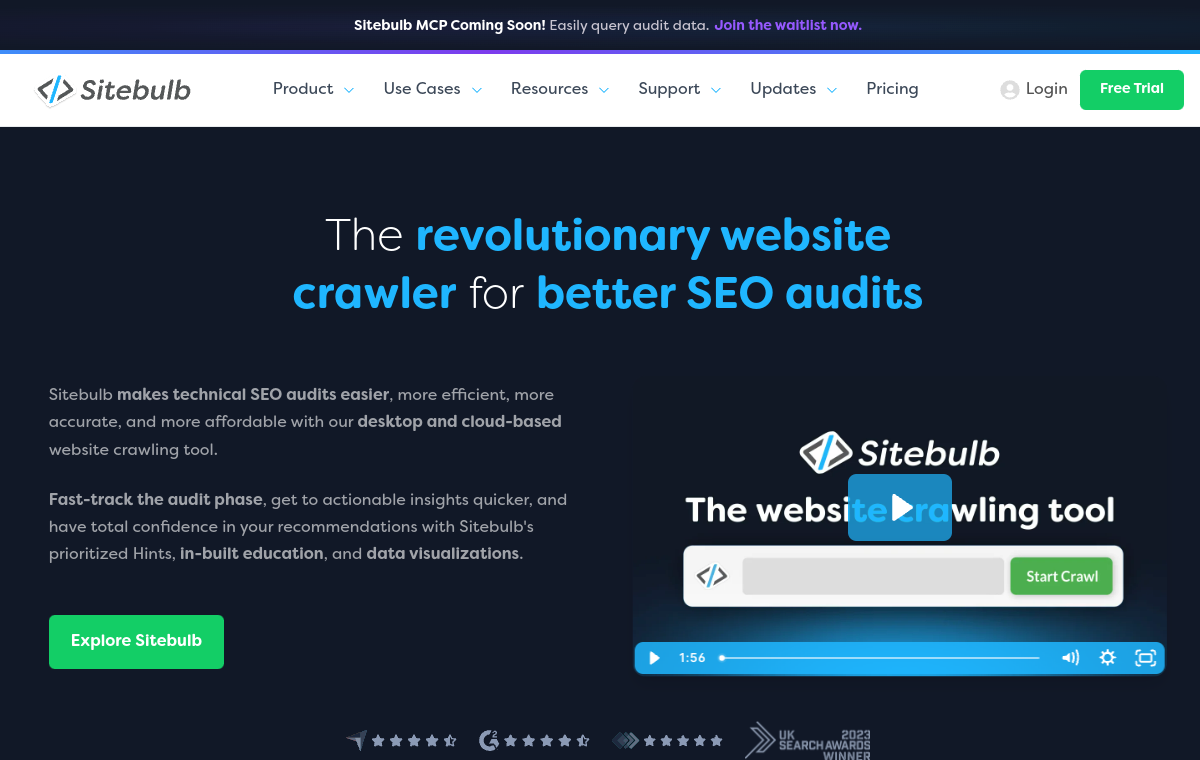
Best for: technical SEO and audits. AI edge: AI-assisted audit hints that explain why each issue matters. Pair it with the top technical SEO experts to act on what it finds.
5. SE Ranking — reporting without the premium price
SE Ranking delivers much of the Semrush feature set, including rank tracking, audits, and competitor analysis, at a lower price, with genuinely strong white-label reporting. For smaller agencies and freelancers who need client-ready reports without an enterprise budget, it hits a sweet spot.
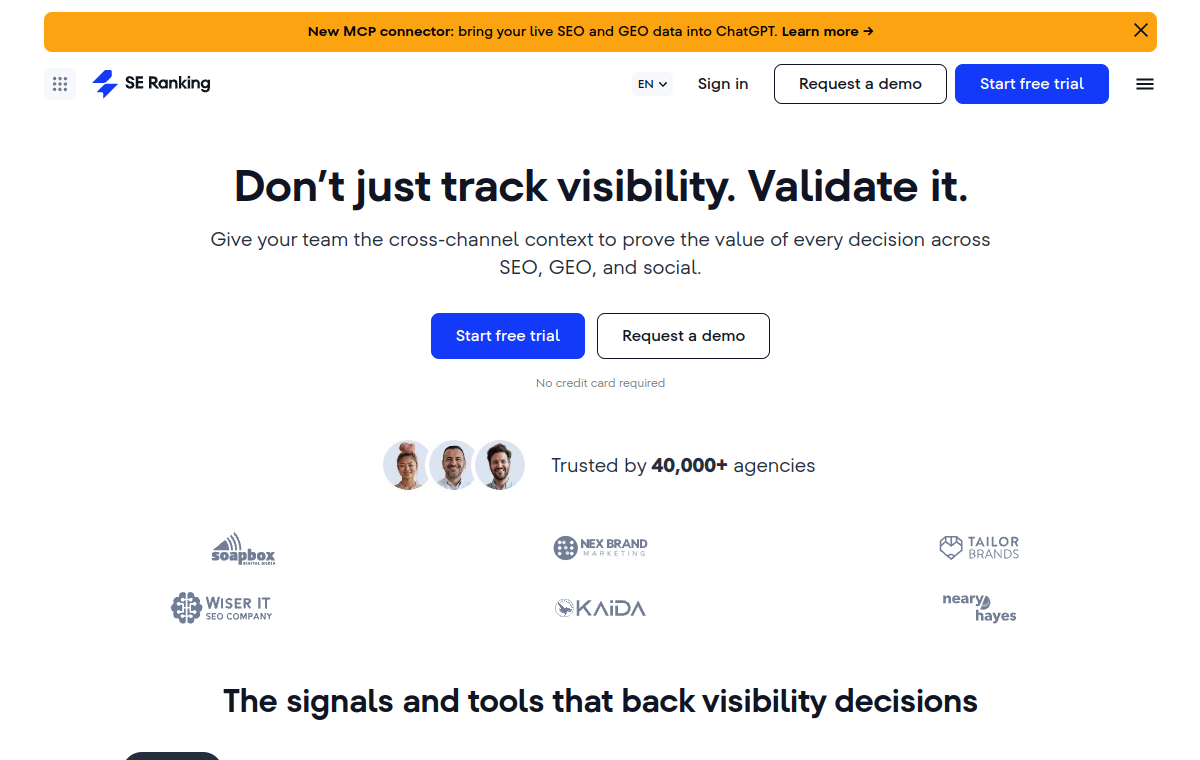
Best for: budget-conscious agencies. AI edge: AI writing and analysis features built into the reporting suite.
6. AgencyAnalytics — client reporting on autopilot
AgencyAnalytics is built for one job: turning data from 80+ sources into automated, branded client dashboards. Rankings, Google Analytics, Search Console, ads, and social all flow into one live report your clients can check anytime. If reporting eats your week, this buys it back.
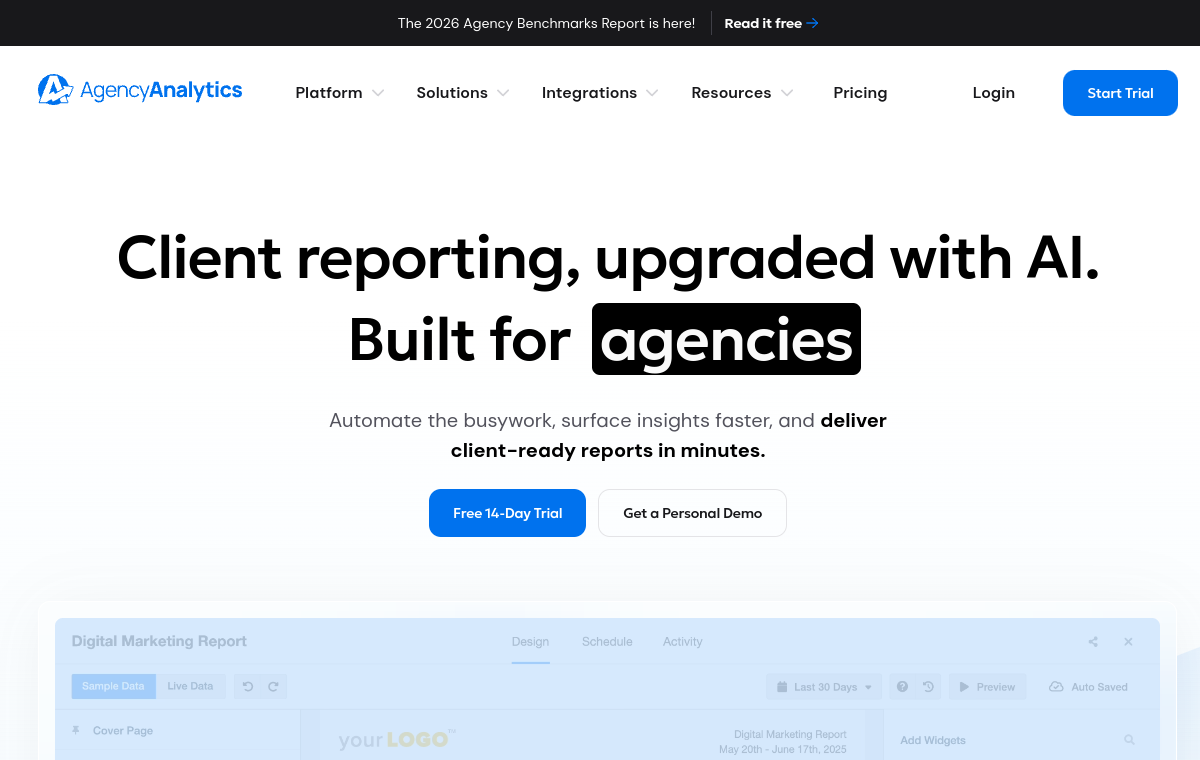
Best for: agencies managing many clients. AI edge: AI-generated report summaries that write the narrative for you.
7. Databox — KPIs for decision-makers
Databox pulls SEO alongside every other marketing metric into executive dashboards and scorecards. It is less about doing SEO and more about showing its impact next to revenue, ads, and pipeline, the view a marketing leader or founder actually wants.
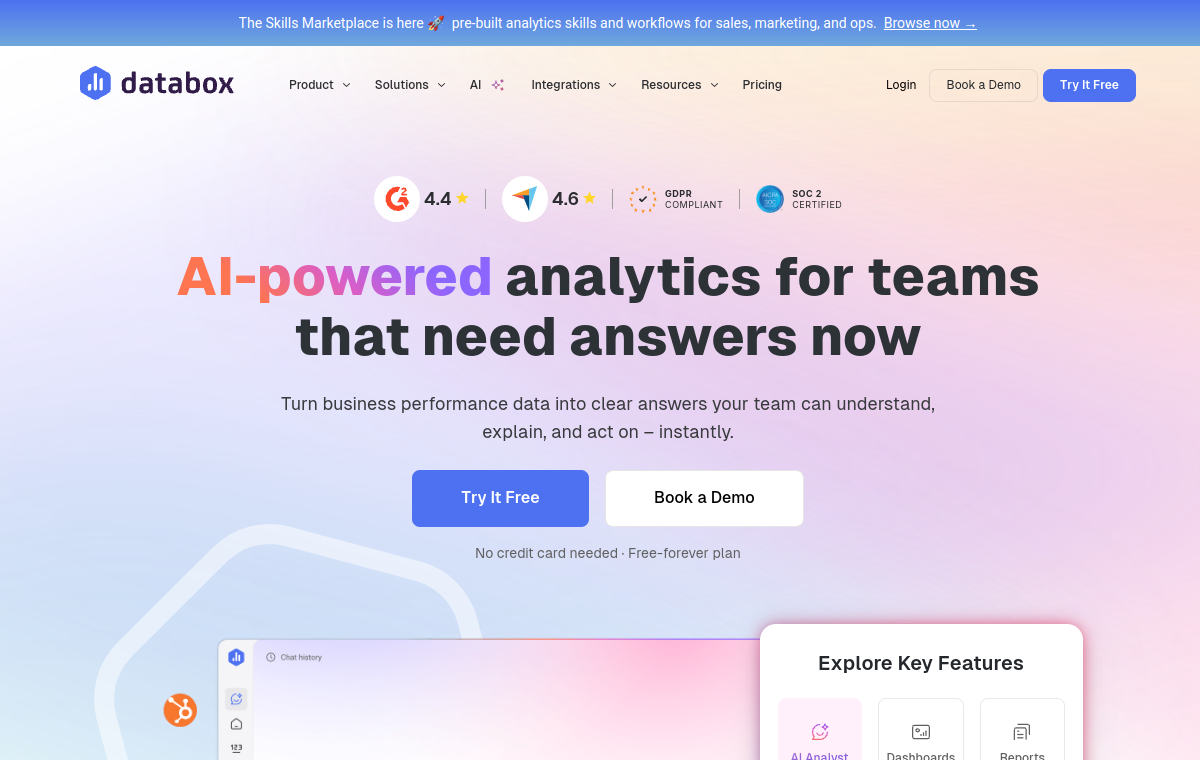
Best for: marketing leaders reporting up. AI edge: AI insights and anomaly alerts across connected data sources.
How to choose
Do not buy all seven. Match the tool to your gap.
- 1Need research and dashboardsAhrefs or Semrush
- 2Need visual technical auditsSitebulb
- 3Need AI content optimizationSurfer SEO
- 4Need affordable client reportsSE Ranking or AgencyAnalytics
- 5Need executive KPI viewsDatabox
- 6Need custom, code-level analysisThe free Python + AEO stack
Every paid tool above is a subscription, and they stack up fast. When you need analysis no dashboard offers, the free, scriptable Python libraries for SEO and AEO fill the gap, and pull straight from the same Search Console data.
Tools do not do SEO — people do
A dashboard is only as good as the specialist interpreting it. Seotal matches you with vetted SEO specialists from Asia who live in these tools and turn their charts into rankings and leads, at up to 60% less than US rates. Explore SEO talent, hire an AI SEO specialist, outsource the whole function, or get matched.
Frequently asked questions
What is the best AI SEO tool for reporting?
For automated client reporting, AgencyAnalytics and SE Ranking lead, pulling data from many sources into branded, live dashboards. For executive KPI reporting across all of marketing, Databox is strongest. For all-in-one SEO plus reporting, Semrush is the most complete.
Which SEO tool has the best data visualization?
Ahrefs is widely regarded as having the clearest data visualization for keywords and backlinks, while Sitebulb offers the best visualization for technical audits, rendering crawls as visual maps and prioritized diagrams rather than raw tables.
Do these AI SEO tools help with AI Overviews and answer engines?
Increasingly, yes. Semrush tracks AI visibility and brand mentions in AI search, and Surfer SEO optimizes content to be cited by answer engines. This is part of the shift toward AEO (Answer Engine Optimization), which we cover in our Python SEO and AEO guide.
Are paid AI SEO tools worth it, or can I use free ones?
Paid tools are worth it for speed and convenience, especially for research, audits, and reporting. But they add up quickly. For custom analysis, free and open-source Python libraries pull from the same underlying data at no cost. Most serious teams use a mix of both.
Which AI SEO tool should a small business start with?
Most small businesses do well starting with one all-rounder, Semrush or SE Ranking, which cover research, tracking, and reporting in a single subscription. Add a specialist tool like Sitebulb or Surfer only when a specific need appears. Better still, hire a vetted specialist who already owns the tools.

 Website Management For Small Businesses: A Complete Guide
  How Much Do SEO Consultants Charge in 2026? Real Rates by Region
  How to Know If Your SEO Agency Is Overcharging You